






Customer Case Studies
Reducing Rework in Mold Design and 2D Drawing Creation
Household Goods
3D design
Mold
Plastic
Plastic mold
Plastic molding
2D drawing creation
Design review
Mass production study
Mold quotation
no 3DCAD
Number of Installations:
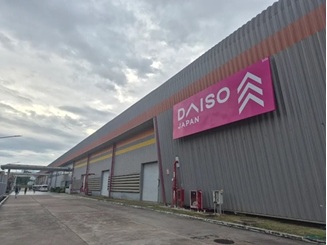
DAISO SIAM INTERNATIONAL CO., LTD.
DAISO, widely known as a 100‑yen shop brand, operates more than 5,000 stores worldwide and also manages brands such as Standard Products and THREEPPY. DAISO SIAM INTERNATIONAL CO., LTD., a 100% subsidiary of the parent company, was established in 2007 in Rayong, Thailand. The company has approximately 300 employees and mainly manufactures plastic and silicone products.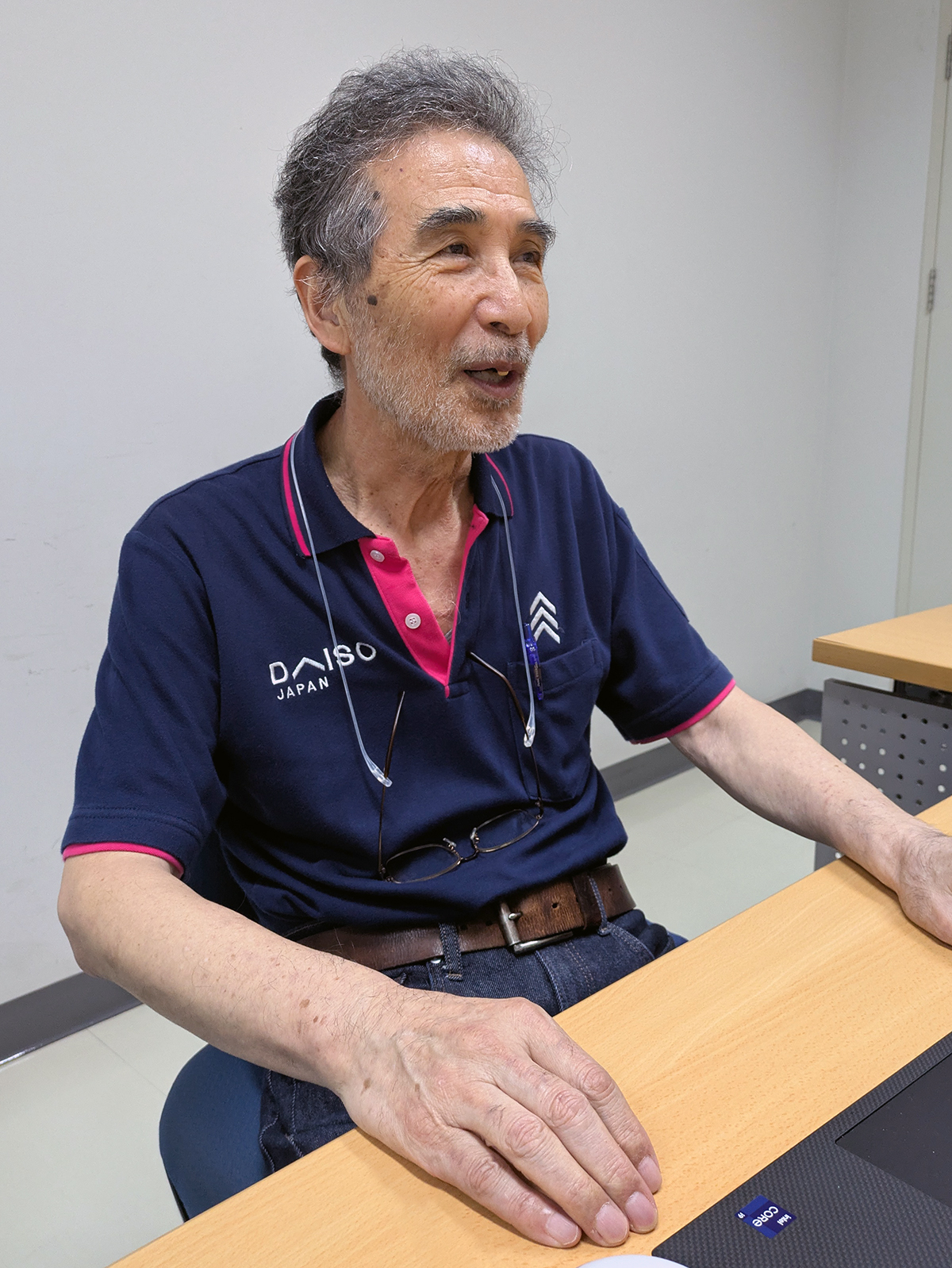
Mr. Shigeru Kobayashi
What kind of work do you do?
Mr. Kobayashi joined the company in June 2012, bringing prior experience in mold‑related industries. He is currently responsible for mold design and overall arrangements before mass production. Recently, he has also been involved in new product design. His main role is to propose products to buyers at the parent company based on customer needs. Since DAISO products have predetermined retail prices, he must balance two key requirements: - Avoiding other companies’ design patents - Ensuring sufficient profit margins This includes not only design but also mold considerations for mass production—an area where the team excels. Because many of their products are daily necessities, they always ensure that customers can use them “safely and comfortably.”
What challenges did you face before introducing 3DTascalX?
Mr. Kobayashi described two major issues: 1. Rework when converting 3D data into 2D drawings When using other software, splines and elliptical arcs became point clouds in 2D. This required measuring three points and redrawing them as approximate arcs in 2D CAD—a time‑consuming process, especially for curved products. 2. Difficulty handling assembly data When importing assembly data, the hierarchy and part names were lost. This forced staff to manually select and export each part one by one, which was extremely inefficient.
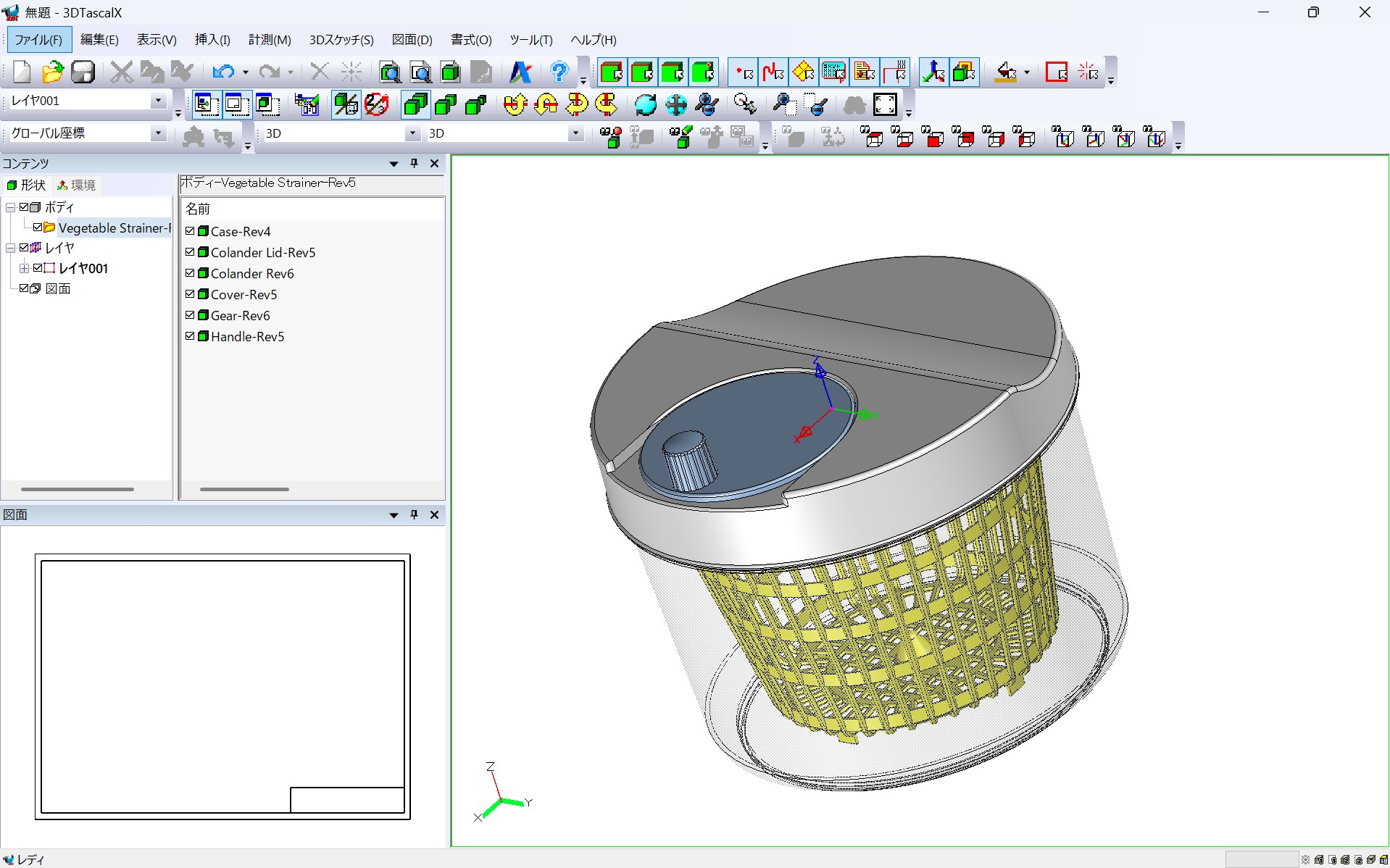
Inside the 3DTascalX Interface
Did 3DTascalX solve these issues?
Yes—significantly. - The 2D Drawing Conversion feature automatically replaces splines and elliptical arcs with approximate arcs, eliminating the need for manual redrawing. - When exporting from 3DCAD in Parasolid format, assembly hierarchy and part names are preserved, removing the need for manual sorting. - The “Output by Part” function allows batch export of assembly components, which has been extremely helpful. Previously, Mr. Kobayashi designed in 2D CAD and had local staff convert the data to 3D. Now, he uses both 3DCAD and 3DTascalX himself.
Do you still feel 2D drawings are necessary even with 3DCAD?
He believes 2D drawings remain essential. There are many situations where reviewing on a 2D drawing is easier based on his long experience. Additionally, 2D drawings are still required for: - Quality assurance departments - Intellectual property checks - Tolerance instructions when outsourcing special processing Although “drawing‑less” workflows are discussed in the industry, 2D drawings are still indispensable in their operations.
What effects have you seen after implementation?
While difficult to quantify numerically, eliminating: - Redrawing work in 2D CAD - Manual sorting of assembly data has clearly increased the time available for product and mold evaluation.
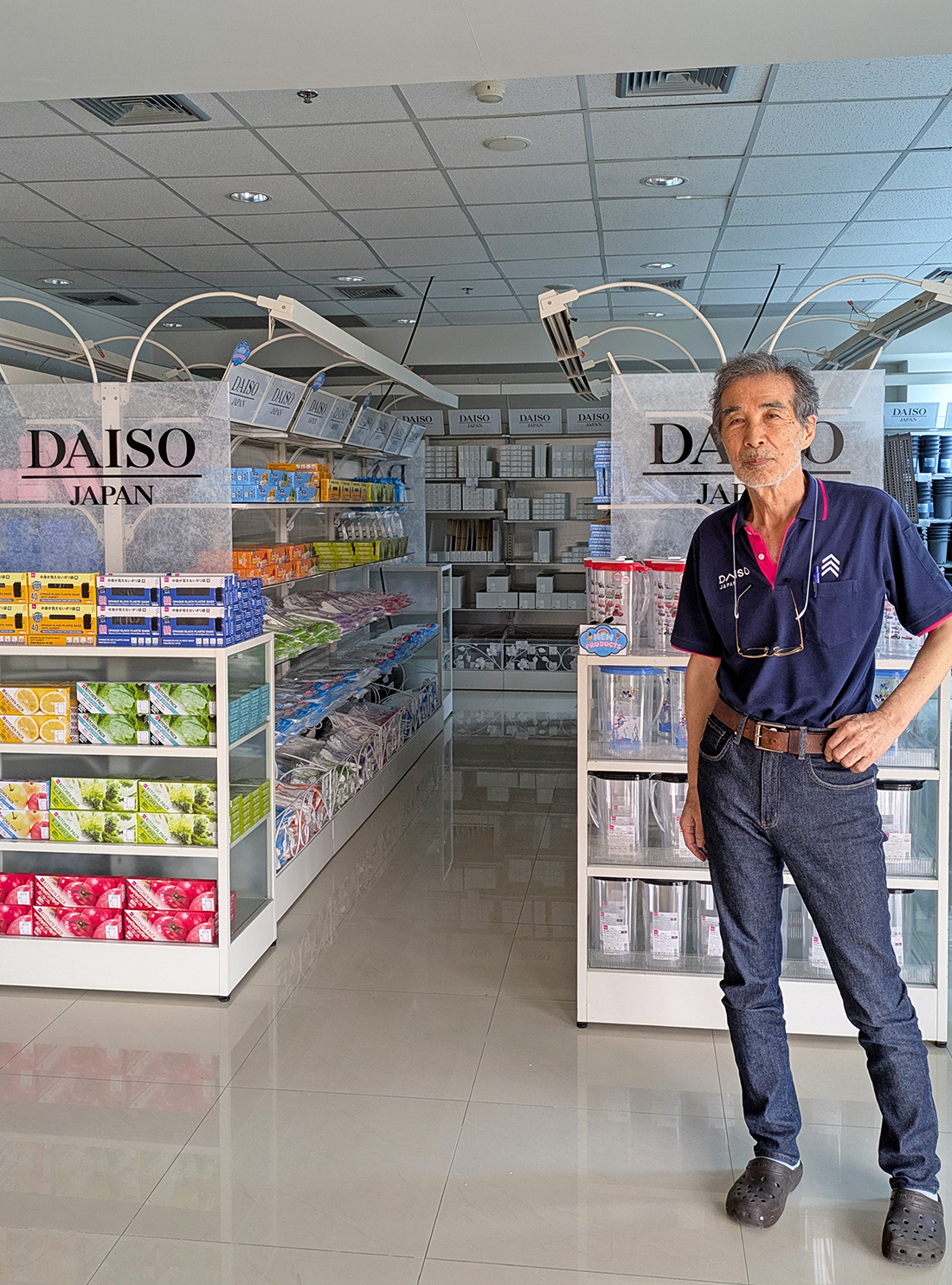
What do you expect from 3DTascalX going forward?
The company recently introduced the new Shape Editing Option. Mr. Kobayashi hopes to expand the range of tasks that can be completed entirely within 3DTascalX without using 3DCAD. He also plans to use features such as transparent coloring of 3D parts to create internal presentation materials.
DAISO SIAM INTERNATIONAL CO., LTD.
| Location | Rayong Province, Thailand |
|---|---|
| Establishment | 2007 |
| Number of Employees | Approx. 300 |
Related Stories




Contact us here for development requests or consultations.